
Overall SDG Alignment Evaluation:
The Bachelor of Science Program in Information Technology at Khon Kaen University is engineered to produce "innovators" who can seamlessly integrate IT with the business and industrial sectors to drive sustainable development. The curriculum's philosophy, focused on creating graduates with international-standard knowledge who are ethical, socially responsible, and capable of creative problem-solving, is inherently aligned with the UN's Sustainable Development Goals. The program is a major contributor to SDG 9 (Industry, Innovation, and Infrastructure), as it provides the core competencies for building the digital infrastructure of the future. Courses in software development, network management, cloud computing, and blockchain technology are crucial for upgrading industries and fostering innovation. This directly fuels SDG 8 (Decent Work and Economic Growth) by producing a highly skilled workforce for the digital economy and fostering entrepreneurship through courses on digital startups. On a societal level, the program supports SDG 16 (Peace, Justice, and Strong Institutions) through its emphasis on IT Law and Ethics and Digital Forensics, which are vital for building transparent, accountable, and secure digital systems. It also connects to SDG 11 (Sustainable Cities and Communities), as graduates are equipped to develop smart city solutions. As a higher education program, it is a clear embodiment of SDG 4 (Quality Education), and the global, collaborative nature of technology naturally promotes SDG 17 (Partnerships for the Goals).
Best Practices
The Bachelor of Science Program in Information Technology (College of Computing) at Khon Kaen University (KKU) has demonstrated its commitment to driving public sector administration and elevating community well-being with advanced digital technology, recognizing the challenges of the volatile modern world (BANI World) and the urgent necessity to apply Big Data to promote public sector governance and the care of vulnerable populations.
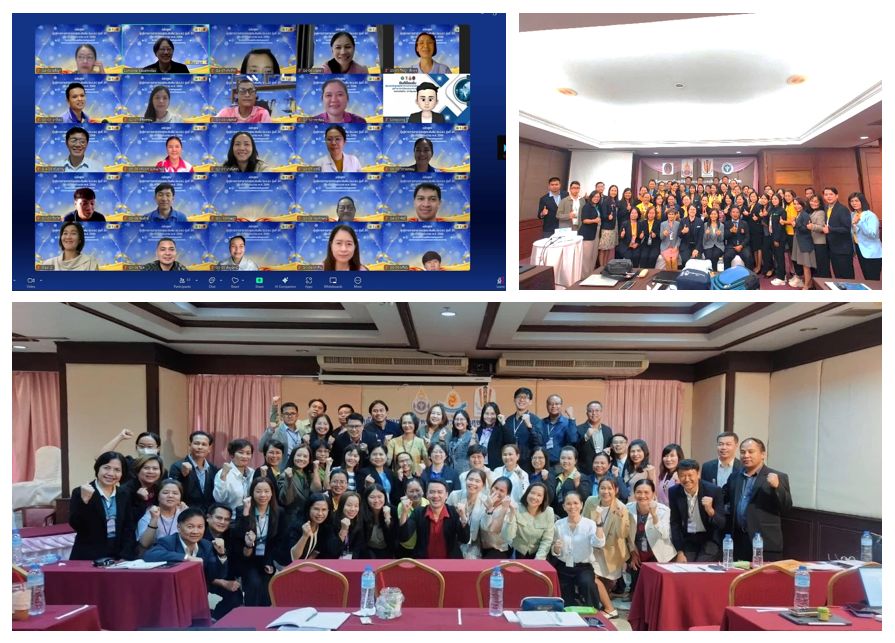
Therefore, the program has continuously organized integrated academic service activities under the theme "Driving Digital Skills and Big Data to Elevate Public Sector Governance and Community Health". This includes transferring knowledge on Big Data Analytic for Adult and Older Care and organizing workshops to reinforce the Digital Skills of Public Administrators and the creation of new-generation leaders under the Ministry of Public Health, as well as holding a Health Technology Webinar focusing on User Interface Design (UX/UI Design) to meet the diverse needs of the population. These activities integrate specialized knowledge in Big Data Analytics, Health Informatics, and Inclusive Design to be applied in organizational administration and the development of public service systems.
The evident result is that participants from various sectors-including mid-level executives of government agencies, faculty members, researchers, and medical personnel-gained a deep understanding and developed competency in effectively utilizing data and digital technology to drive policy and digital risk management. They are able to apply the technology to create equity in access to health services and promote inclusiveness in both urban and rural environments.
This led to a widespread sustainable impact through the creation of strong cooperation networks between the academic institution and public agencies (especially the Ministry of Public Health) to drive the transition towards a high-governance Digital Government, while also promoting the development of health innovation that addresses the aging society and elevates the quality of life of underserved communities. This operation is therefore strategically aligned with the Sustainable Development Goals (SDGs): SDG 3: Good Health and Well-being (by using technology to ensure everyone can access health services), SDG 4: Quality Education (by promoting lifelong learning and the development of essential digital skills for future careers), SDG 16: Peace, Justice and Strong Institutions (by elevating the efficiency and transparency of public administration through data), and SDG 17: Partnerships for the Goals (which demonstrates the creation of strong cooperation to transfer knowledge and technology towards creating a sustainable social impact).
 SDG 4: Quality Education
Alignment Summary: This program provides high-quality, specialized education in a critical 21st-century field. It is designed to develop advanced technical skills and research capabilities, ensuring graduates are well-equipped for skilled employment and continuous lifelong learning in the fast-paced world of information technology.
| Course Code | Course Title | Alignment Rationale |
|---|---|---|
| SC 364 897 | Research Project in Information Technology | Directly supports quality education by equipping students with the skills to conduct independent research, fostering lifelong learning and preparing them for advanced technical employment (Target 4.4). |
| SC 364 894 | Cooperative Education | Provides mandatory, full-time work placements, ensuring all students acquire relevant technical and vocational skills for employment and entrepreneurship (Target 4.3 & 4.4). |
 SDG 8: Decent Work and Economic Growth
Alignment Summary: The curriculum is a direct catalyst for economic growth by producing graduates who are ready to contribute to the digital economy. By fostering skills in high-demand areas like software development, data science, and entrepreneurship, the program helps create high-value jobs and supports economic diversification.
| Course Code | Course Title | Alignment Rationale |
|---|---|---|
| SC 363 502 | Entrepreneurship and Digital Startup | Promotes entrepreneurship, creativity, and innovation, which are fundamental to job creation and sustained economic growth in the digital era (Target 8.3). |
| SC 364 894 | Cooperative Education | Ensures students gain professional experience, supporting the achievement of full and productive employment and facilitating the transition of youth into the workforce (Target 8.6). |
 SDG 9: Industry, Innovation and Infrastructure
Alignment Summary: This program is at the core of building a modern, innovative, and resilient digital infrastructure. It equips students with the skills to develop and manage the technologies that underpin all modern industries, from cloud computing and data analytics to blockchain, thereby fostering sustainable industrialization and enhancing technological capabilities.
| Course Code | Course Title | Alignment Rationale |
|---|---|---|
| SC 362 211 | Software Engineering | Provides the foundational skills for creating the software that drives industrial innovation and upgrades technological capabilities across all sectors (Target 9.5). |
| SC 363 305 | Cloud Computing and Applications | Contributes to building resilient and modern digital infrastructure by teaching students how to manage and deploy scalable cloud-based systems (Target 9.1 & 9.4). |
| SC 363 306 | Blockchain Technology and Cryptocurrency | Fosters innovation by providing knowledge of emerging technologies that can enhance security and transparency in industries (Target 9.B). |
| SC 363 441 | Big Data Analytics | Enhances scientific research and supports industrial innovation by teaching students how to derive insights from large datasets, a critical capability for modern industries (Target 9.5). |
 SDG 11: Sustainable Cities and Communities
Alignment Summary: The program provides the technical foundation for developing smart cities and sustainable communities. Graduates can apply their skills in data analytics, cloud computing, and mobile application development to create solutions for urban challenges like traffic management, resource efficiency, and public service delivery.
| Course Code | Course Title | Alignment Rationale |
|---|---|---|
| SC 363 441 | Big Data Analytics | Teaches skills that can be applied to urban data to improve planning, resource management, and make cities more sustainable and resilient (Target 11.3). |
| SC 363 213 | Mobile Device Programming | Provides the ability to create mobile applications that can enhance access to public services and improve the quality of life in cities. This supports the 'Sustainable practices' metric for building inclusive communities. |
 SDG 16: Peace, Justice and Strong Institutions
Alignment Summary: The curriculum reinforces the principles of strong and ethical institutions by focusing on information security, law, and digital forensics. By training professionals who can protect digital systems, ensure data integrity, and investigate cybercrime, the program helps build transparent, accountable, and just institutions for the digital age.
| Course Code | Course Title | Alignment Rationale |
|---|---|---|
| SC 363 231 | Information Security | Directly contributes to building effective and accountable institutions by providing the skills to protect against cybercrime and ensure data security (Target 16.5 & 16.6). |
| LW 011 105 | Information Technology Law and Ethics | Promotes the rule of law by educating students on the legal and ethical frameworks that govern technology, ensuring responsible innovation (Target 16.3). |
| SC 363 307 | Digital Forensics | Strengthens institutions by providing the skills to investigate digital crimes, helping to combat corruption and promote justice (Target 16.4 & 16.5). |
 SDG 17: Partnerships for the Goals
Alignment Summary: The nature of Information Technology is inherently collaborative and global. The program fosters a partnership-oriented approach through project-based learning and cooperative education, preparing students to work in multi-stakeholder teams to develop and share technology and knowledge for sustainable development.
| Course Code | Course Title | Alignment Rationale |
|---|---|---|
| SC 364 897 | Research Project in Information Technology | Promotes partnerships by requiring students to engage in research that often involves collaboration with industry or academic partners, enhancing knowledge-sharing for sustainable development (Target 17.16). |
| SC 364 894 | Cooperative Education | Represents a direct multi-stakeholder partnership between the university and industry, mobilizing knowledge and expertise to achieve the SDGs (Target 17.17). |